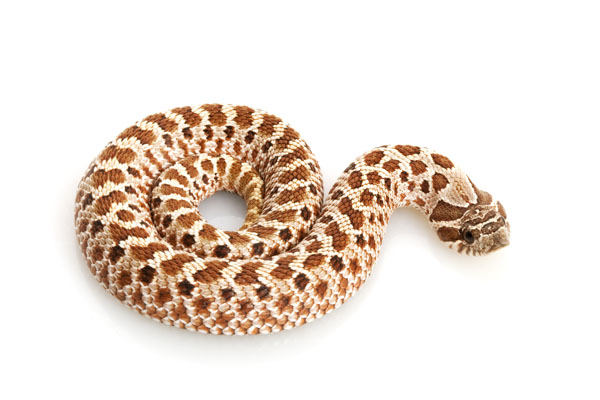
Local envenoming by the Western hognose snake (Heterodon nasicus): A case report and review of medically significant Heterodon bites- Weinstein & Keyler, 2009
- Abstract: western hognose snakes rarely cause serious injuries through their bite, however there are cases of some that cause significant local envenoming. The bite resulted in a marked edema, ecchymoses, lymphadenopathy, cutaneous signs that are suggestive of cellulitis and blisters. However there were no signs of systemic effects and complete recovery took 5 months. The effect of the feeding could have a significant effect on the degree of harm inflicted on victim.
- Intro: the Duvernoys gland is responsible for secreting toxins in snakes belonging to the colubrid family. The venom that comes from these snakes usually have low pressure because there is very little muscles actually attached to the duvernoys gland. There is growing evidence of medical importance of these snakes.
- Case report – 21 year old female (H. nasicus, western hognose snake): the bite lasted for 3-5min and the snake had to be forcibly removed, blood flowed freely after the bite but did not report anything serious until several hours later. An edema had formed as well as signs of ecchymosis after 5 hours, but lab tests showed that her levels were within the normal range. The edema was a huge blister located on her wrist which was far from the bite site. 96hrs after the bite the signs were still quite present with minimal reduction, and only after 28 days had the patient reported puritis which is that itch like feeling stemming from wounds and blisters while healing. Healing was completed at 5 months.
- Discussion – 21 year old female: the symptoms of these bites were similar to envenomation from pit vipers, AKA crotaline snakes. Duvernoys secretions of western hognose snakes show low phosphodiesterase, moderate-high protease activity and lacked PLA2. The mean venom harvested in a single milking for two snakes are 24 microlitres (L=48cm) and 15 microlitres (L=32cm).
- the pharmacological study of the secretions found neuromuscular blockades in frogs sciatic nerve (minimal movement?) and antagonism of acetylcholine and histamine responses. There are also possibilities of three-finger toxins present within the venom given their presence in the Duvernoy gland secretions of other snakes.
- Rear-Fanged snakes are unable to push venom through their fangs because of the minimal muscle attachment to the Duvernoys gland, thus they bite for long periods of time to maximize envenomation and aiding it with continuous bite pressure. This hints that the intention of the snake plays a major role in how much venom is used, therefore snakes that find the milking process stressful, may not release as much venom as a snake that has the intention of envenomation?

 Al3xandria