Nicotine-induced conditioned place preference in adolescent and adult rats- Vastola et al. 2002
- Abstract: Checked the rewarding properties of nicotine on adult and adolescent rats, found that even a low dose created a conditioned place preference in adolescents while not in adults. This increased sensitivity to the effects of nicotine during adolescence may contribute to the high rate of nicotine use and dependence in human teens.
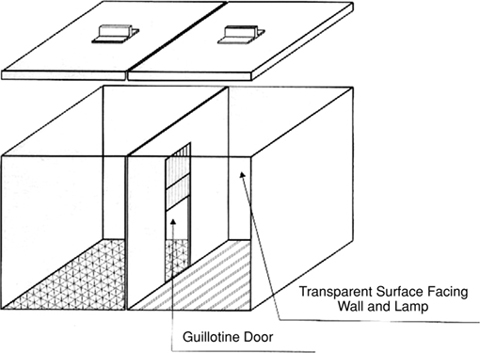
- Introduction: Nicotine stimulates dopamine secreting cells that are connected to the rewarding properties and locomotor stimulant effects found with the compound. These regions of the brain with these cells undergo changes especially during the adolescent phase which affect sensitivity to nicotine. Nicotine at different dosages result in varied responses from aversion to preference therefore this study is observing the effects of low dose on adolescents with the following cognitive task. Conditioned place preference (CPP) is a widely used behavioural paradigm to measure drug reward and requires no training. A biased-design was used, in which the drug is paired with a certain compartment
- Methods: Sprague-Dawley VAF n=56 rats used, dose of 0.6mg/kg of nicotine was used and administered subcutaneously, and similarly done with a placebo for control.
Procedure: adolescents ( started at age 28-40 days) adults (started at age 58-70 days), first 3 days was habituation to the injection procedure, and 4th day was used to find initial preference for the compartment by allowing free access to the CPP chamber for 10min. Nicotine drugs, were paired with initially unpreferred compartments and saline was paired with preferred (called a biased design). On the next day conditioning began for a total of 8 days where on alternate days the animals were injected with nicotine and constricted to the designated compartment, test session occurred 24hr after the last conditioning day, given 10min duration. Check in for behavioural variables and data analysis. - Results: Only adolescent rats showed a drug induced connection to a compartment when given the low dose. Rearing was also decreased in nicotine animals during the test session compared to saline.
- Discussion: The findings of this study align with findings of other studies, however some studies have found that even adults show a sensitivity to low doses. This could be because of the housing arrangement prior to conditioning, for individual housing acts as a stressor and encourages the dependence on drugs. Another theory is that this effect is because of a difference in learning abilities, if the adolescents are better learners then they could make the association between the drug and the compartment quicker with a lower dose.
 Al3xandria