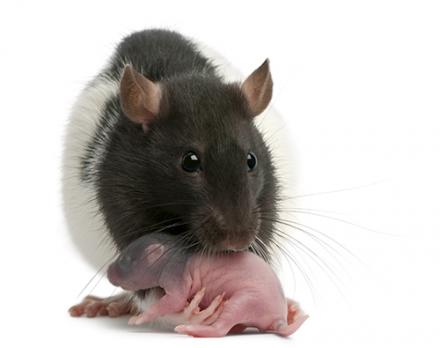
Animal models for the study of the effect of prolonged stress on lactation in rats – Lau & Simpson, 2004
- Abstract:
Stress has been well documented to suppress lactation, but this study aims to identify the effects of prolonged stress. One model controlled the contact with pups and the other introduced a male intruder, both models took place over 4 consecutive days. Both models significantly reduced milk release following the pre-exposure period but during assessment of milk release the behaviours of mothers were similar at all times.
- Introduction:
Maternal milk is extremely nutritious for newborns and lactation insufficiency is normally coupled with stressors. Intensity and nature of the stressor determine the magnitude of the effect, or if an effect is even observed. An example of this is when even a novel environment can interfere with lactation for maternal rats w/o affecting their adrenocortical response -> usually attributed to hyporesponsiveness to stress during lactation. Basically even minute stressors that may not be picked up by looking for stress-related markers may still be affecting the subject as seen through the alteration in lactation -> thus stress can affect the nursing dyad by independently affecting stress related markers as well as lactation. Primary aim of the study: develop a rat model that did not disrupt maternal behaviour but interfered with mother-pup interactions over a period of time.
- Methods:
1. Subjects: Sprague-Dawley rats (couldn’t find an n), individually housed
2. Constricted Contact Model: Duration of the contact was the same for all treatments at 4hrs/day, but differed in number of instances to achieve that duration: 1-4hr period, 2-2hr periods, 4-1hr periods, 6-40min periods.
3. Male Intruder Model: Released a male into the cage that separated the intruder from the dam and her pups via wire fence during the 12hr light cycle for 4 consecutive days.
- Results:
Maternal behaviour did not differ b/t treatments and control. For the first model each specific number of contacts was significantly different from control with lactation decreasing with reducing number of contacts (20% approx. each time it was reduced). Second Model lactation decreased 41%.

- Discussion:
This study was done to parallel human situations where mothers of pre-term infants are forcibly separated and only given limited breastfeeding episodes -> pretty darn relevant. First thing was that maternal behaviour remained intact meaning that the difference seen in lactation was not b/c of the mothers choosing not to. Also the treatment groups were in a constant state of alert by building their nests in the middle and always facing the intruder rather than at the edge. Treatment groups also were in a state of arousal by the 4th day showing they still hadn’t habituated to the intruder, some animals require a state of slow wave sleep for milk release to occur, and it helps in humans as well.
The effect of stress on lactation may occur through a direct suppression on milk synthesis/ejection through alterations in prolactin/oxytocin, indirectly through its actions on factors ex/ opiates, neuropeptide Y, and/or maternal behaviour. -> took this verbatim from the paper.
 Al3xandria