Sources of stress in captivity – Morgan & Tromborg, 2007
Abiotic environmental stressors: the presence or absence of critical sensory stimuli
- Odors:
Most mammals are considered macroosmatic (means they depend largely on olfactory cues), and animals that live in captivity may be deprived of necessary enriching odors or be exposed to detrimental ones. For example prey animals kept in captivity have shown increased plasma levels of corticosterone, increased blood pressure, long lasting anxiety like behaviour and increases in defensive behaviour, when exposed to predator scents, for example lab mice that smell a cat’s odour which may be another experimental model that is used in the lab. The scent of conspecifics can also have this effect at certain times, for example some frog species actively avoid the scents of unfamiliar conspecifics while preferring their own or known neighbours. In callitrichids (primate) individuals explore the scent marks of stressed individuals longer than others, implying that detecting arousal in another can arouse the self.
In terms of reproduction, olfactory cues are critical for chemical communication used in social interactions and reproductive behaviour. When animals are kept in captivity, regular enclosure cleanings are required which may increase stress felt by organisms that use scent markings to mark territory. Furthermore the constant removal of these cues may create the need to overcompensate thus increasing the rate of scent marking which may be misperceived as stress. Both rats and iguanas have shown a decreased latency to defecate after their cages have been cleaned, also other species like mice have been known to actively avoid areas that have been freshly cleaned because the scent is perceived as pungent (a little ironic cause we perceive the smell of their feces as pungent -> further highlights the need for less anthropomorphic enclosures and enrichment).
- Thermal and tactile experience:
Animals in captivity are constantly kept in habitats that are not representative of their natural environments, for example giraffes and elephants are kept in temperate zones which sometimes gets snow, while polar bears are kept in places where snow never falls and the temperature is significantly hotter than natural habitats. Extreme temperature is also often used as a stressor thus is critical to maintaining a safe enriching habitat, pigs have shown increases in salivary corticosterone when temps get above 17 degrees and show huddling behaviour at low temps. Rabbits have shown abnormal maternal and sexual behaviours when temperatures exceed a certain range. It seems there are numerous ways temperature may affect behaviour and in turn welfare -> captive cichlids fight more at higher temps, captive mice fight more at intermediate temps, pigs play less in colder temps, baby baboons spend more time away from mothers at higher temps. -> thus having a gradient of temperatures within a habitat is ideal to allow the subject to choose based on preference, but more importantly it allows them to exert more control over their environment, increased control = increased enrichment?
- Substrate:
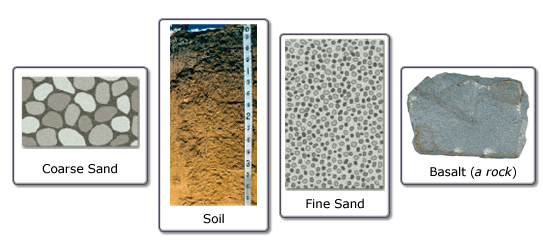
Animals can thermoregulate by using microclimates that have either low (low longwave radiation) or high (shortwave radiation) surface temperatures. Thermal inertia is the amount of time a medium takes to reach max temperature and lose max temperature, different substrates used in captivity may benefit from using a range of substrates like wood, grass, rocks to create microclimates. Colour also affects thermal inertia, black gets warmer than white. Turf grass has a low thermal inertia. Lightly coloured surfaces can reflect as much as 41% of direct light. Mice given inadequate bedding material show increased metabolic rate and reduced core body temp. Surfaces of substrates also affects joint pain based on the compression/hardness of the material, also friction of material would be very important for snakes that rely solely on slithering. Animals also prefer substrates that allow them safe movement, one with more grip and perches, for example mice prefer running wheels with little perches for their feet to grip into. Rats prefer large particle bedding over small particle and wire mesh. Substrate and enclosure material ttype can also affect cognition, when pigeons are housed in plastic containers have impaired navigational abilities compared to other containers. Providing complex substrate can enhance the range of behavioral opportunities and thus reduce stress.

Confinement Specific Stressors
- Restricted movement:
The impact of enclosure size on captive animals is a matter of natural history to some degree. Increased aggression is seen in pigs and buffalo calves when housed in smaller pens. Pigs are also shown to have reduced growth rates b/c they stand motionless and sit in small pens compared to larger pen sizes. The size of cages can also affect reproduction in rats, rats housed in smaller pens showed less frequent sexual activity compared to larger. However this topic does have mixed results, a study on great apes found that that increasing enclosure size had no effect while another orangutan study found that they could accurately predict behaviours based on enclosure size. Housing singly housed rhesus monkeys in cages 6x their normal enclosures showed no reduction in abnormal behaviour. Increasing enclosure size may actually be stressful for prey animals that are hunted in open spaces like rodents -> or even snakes like corn snakes, which means maybe increasing space needs to be coupled with ample hiding spots for it to be beneficial, this is where understanding the needs of the subject is critical when implementing enrichment. When dolphins are given a choice they prefer moderate pool sizes.
 Al3xandria