Animal models, open science and space omics – Neff, 2021
Introduction:
Observing life in space is critical to understanding how to best navigate space especially with longer and longer trips being desired. Space is an extreme environment that reduces the mechanical stress felt by the body because of reduced gravity which can affect organs and lead to muscle atrophy as well as bone loss. Pre-mature aging is also a common side-effect of being an astronaut. To give astronauts a better chance at survival and reduced repercussions from space travel, multiple space agencies have relied on animal models (flies, fish, rats, mice) to paint a better picture of the strains felt by the body.
Space Models:
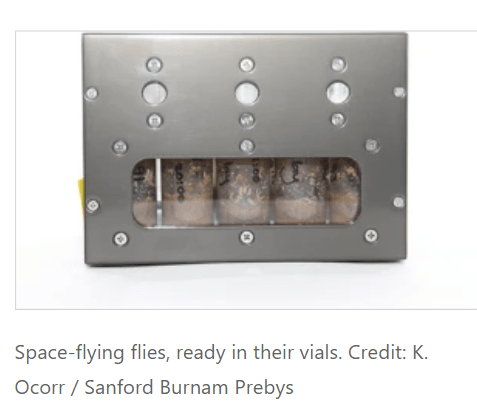
Common aspects that scientists are currently investigating are muscle atrophy, bone loss, changes in microbiomes, interactions between microbes and pathogens, changes in immune system, sleep disruptions, neuronal changes and general effects on organ systems. Sending animals into space however takes a lot of forethought for the habitat needs to survive the ride as well as the time spent in space, and must be optimized to work with no human intervention for a set time period. Aquatic organisms require even more care since their habitats need to include water and include subjects like zebrafish and xenopus from embryos. Drosphilia require much simpler set ups as seen in one study that sent vials of flies into space and noticed cardiac dysfunction & remodeling as a result of microgravity and noticed transcriptomic changes in fly hearts that are similar to our own. These were noticed in progeny of flies that reproduced in space. Another study observed worms in space and identified effects on muscle contractions by watching the worms move pillars as they travelled across a plane. When the models land back to earth it a is a race against time to analyze them before they thaw or acclimate to earth.
Mission: Data Democratization
One study looked at the effects space on mice liver transcriptomes and found that the samples all looked like they diabetic. A reoccurring theme with these findings was that a lot of the issues were related to mitochondrial metabolism. When astronauts were observed for similar issues they found that 59 astronauts should malfunctioning mitochondrial activity. This amongst other studies led to the theory that mitochondrial malfunction was causing premature aging and immune issues. Data Democratization means keeping he data acquired freely accessible to everyone in the organization irrespective of specialty and allow for healthy conversation between peers, nowadays this means a global access to knowledge.
Setting Standards:
This is part of the new wave of science that focuses on sharing the knowledge found rather than hoarding it like before. Prior to these initiatives most space agencies kept their data to themselves in ideas of competing with other countries but space is an uncharted territory. Every experimented conducted in space is using fractional sample sizes thus grouping our data with other countries is the best way to gain useable data. However this means standardizing testing to make sure accurate comparisons can be drawn across subjects. Genelab is a major player in setting standards and allowing for freely accessible data.
 Al3xandria