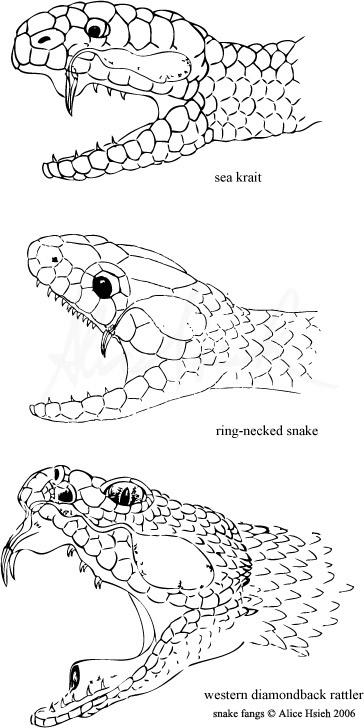
A study of snake venom yield by different methods of venom extraction – Tare, Sutar & Renapurkar, 1986
Abstract:
Various methods of venom extraction including application of manual pressure to the glands, electric stimulation, and vacuum method were used for the extraction of venom from snakes maintained in captivity and in an open farm. The venom was collected from cobra (Naja naja), Russell’s viper (Vipera russelli) and common krait (Bungarus caeruleus) snakes. The yield of venom with different methods was compared. It was observed that snakes maintained in open farm yield more venom in comparison to those maintained in captivity. Extraction of venom by application of hand pressure to the venom glands and the use of vacuum method produced highest venom yield. -> Taken word from word.
Introduction:
A number of institutions have a pressing need for high amounts of venom but there is a lack of venomous snakes in lab conditions to meet the demand. Snake venom is used for pharmacological, biochemical, toxicological and immunological studies. This study gives an attempt to increase venom yield by using different venom extraction methods.
Materials and Methods:
n= 25 male and female kraits, 10 cobras and 10 russells vipers.
Milking schedule: snakes were milked once a month
Housing: The cobra, Russell’s viper and common krait were used for the studies. I think they were housed individually, the study doesn’t specify. They were kept in tin cages. Kraits were kept in tin cages as well as on an open farm, naturalistic vs minimalistic enclosure.
Venom Extraction Methods:
A) Without using any external pressure on the venom glands: The heads of the cobras and kraits were held next to a container with a plastic covering, the snakes then bit onto the plastic film without external pressure from the handler. The viper has larger fangs so no plastic covering was needed, the fangs just touched the rim of the cup and the venom dripped against the glass.
B) Pressing the venom glands: same methodology as the one previously with the addition of gently massaging the venom glands as it bites.
C) The vacuum method coupled with pressing: Used a vacuum created glass container coupled with massaging, method was used to extract venom from kraits.
D) Electrical stimulation method: This method was used for cobras, the snakes were allowed to bite the film first and then electrodes were applied to the joints of the jaws & region between the ventrals. 6 volts of electricity was applied using a transformer
Results:
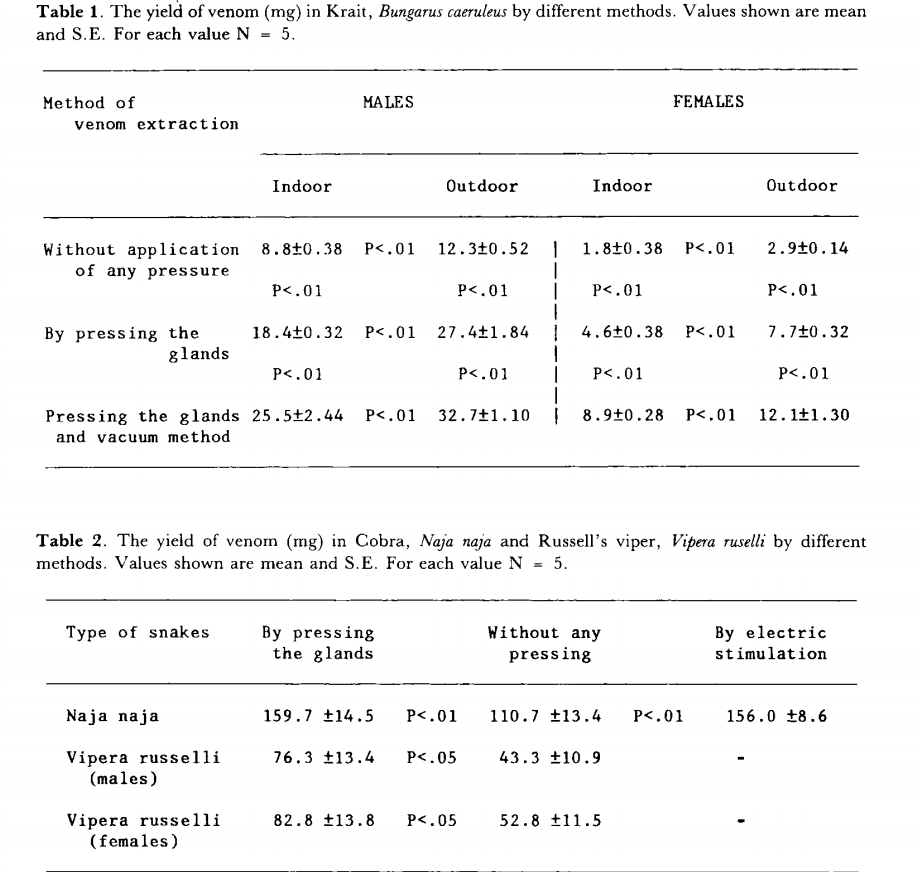
Kraits kept outside produced more venom compared to kraits kept inside for every single venom extraction method. Male kraits produced venom compared to females in every single venom extraction method. Using vacuumed glass containers coupled with massaging produced the most amount of venom followed by just pressing and then followed by without any pressing for all snakes. Electrical stimulation also produced a venom yield similar to the highest method. Cobras significantly produced the most amount of venom, with vipers at half that and kraits at a fraction of vipers.
Discussion:
For kraits the vacuum and massage technique worked best and kraits kept in naturalistic conditions produced more venom. The fangs of Russells viper is very large thus a vacuum container would not work and electrical stimulation is difficult since it causes jerky movements which can pierce the handler. It seems that the massaging technique works best for all snakes, but this could be made safer for the animal and the handler since the principle is that the glands need to be mechanically squeezed to empty. Also during capture and restraint some of the snakes bite the stick which can waste venom.
This study shows evidence for enrichment increasing venom output on a single species of snake. They chose to use naturalistic conditions which means social enrichment, naturalistic stimuli and constantly changing conditions meaning a high level of stimulation.
 Al3xandria