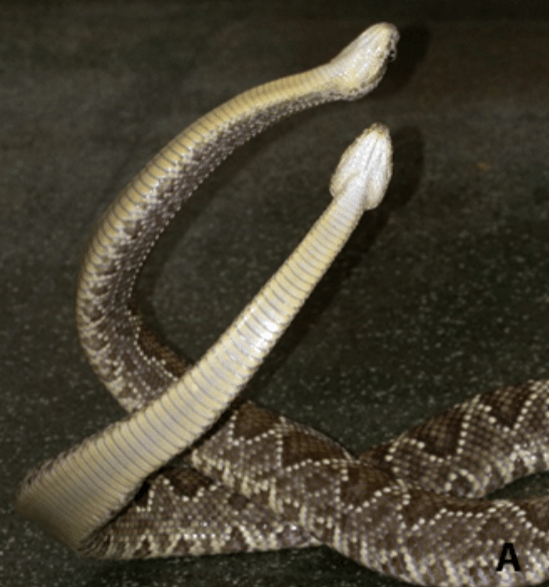
Maintenance of venomous snakes in captivity for venom production at Butantan Institute from 1908 to the present: a scoping history – Grego et al. 2021
Abstract:
Old practice was to milk snakes every 15 days, 1962 they were kept in outdoor serpentariums and they lived for 15 days max, 1963 milking duration stayed the same but were moved into a lab and lifespan became 2 months. In 1990 exhaustive air conditioning and temperature maintenance systems were included and life span rose to 10 months. Currently they are 8 or 10 years depending on the species.
Background:
Vital Brazil created the first effective antivenom from plant strata. Snake venom was first used for anti venom by Albert Calmette a French physician. Vital Brazil discovered that antivenom needed to be specific. The Butantan Institute housed over 1.1 million snakes over the course of its active snake housing campaign.
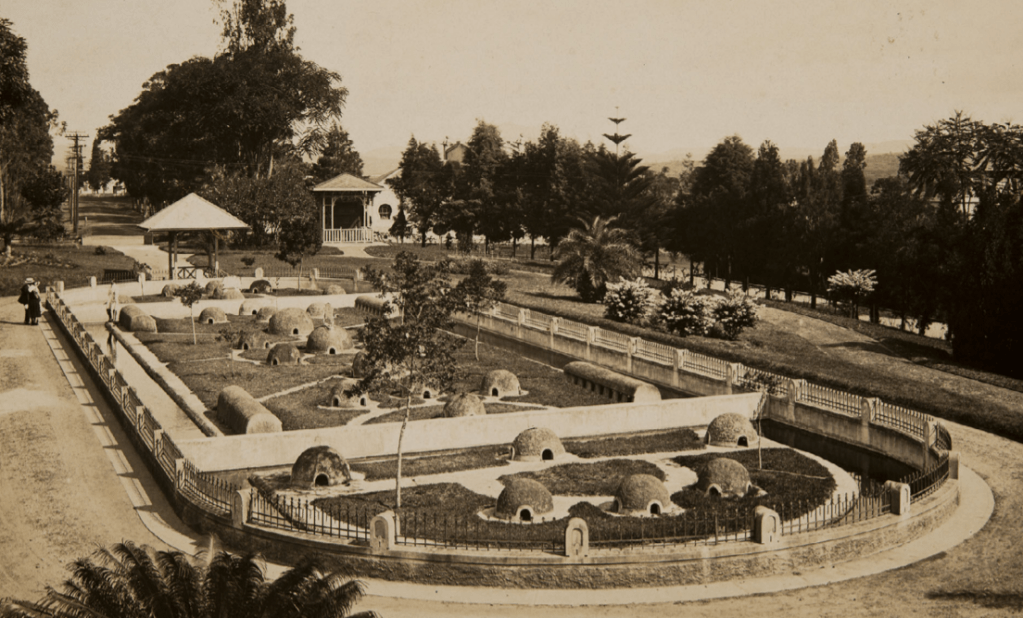
Maintenance of snakes from 1908-1962:
They used outdoor large scale housing that was 500m^2 and was used for public entertainment as well. Venom collections happened infront of an audience and the housing had smaller shelters. However the life span of snakes was 92% shorter than normal and were never milked twice because of their 15 day lifespan.
Maintenance of snakes from 1963 to 1987:
They moved the snakes from outside into a lab setting. Control over abiotic factors was now included with heating systems, and control over day : night schedules. Gave them better observation of individuals since they didn’t need to run around a giant enclosure looking for them. Survival increased to 2 months and extracts were 15-20 days. Started using CO2 for short term anaesthesia and inhalation of this for 4-10min is a safe non traumatic method for extraction. Even extending venom extraction to every 30 days did not increase lifespan.
Maintenance of snakes from 1988 to 2000:
Until 1985 antivenom was not included in the Health Ministry’s programs, after which they gave funding which improved the labs. By 1992 they increased lifespan to 10 months by including deworming processes, quarantining new animals, and feeding 1 week after venom extraction. They were still having trouble with specific snakes that needed special requirements, but even these were at 5 months lifespan.
Maintenance of snakes from 2000 to date:
Currently have 1000 specimens on site with various species, and study more than just venom. They look at snake reproductive biology, behaviour and husbandry. Cages are made of plastic, a coiled snake cannot take up more than a third of its enclosure, they use corrugated cardboard which are grooved. Bushmasters were kept in 20m^2 rooms with humidifiers given its since. Snakes are now milked every 60 days and fed every 30 days, one week after extraction. Prey size is 10-20% of animals bodyweight to avoid obesity. Found useful behavioural points check paper for more info. Lifespan for snakes is currently at 8 or 10 years depending on species.
Screening room & Quarantine room:
Snakes at first arrival stay for a max of 7 days, this is also where venom extractions take place. When they arrive they are immersed in ectoparasiticide solution which will kill an infectious parasites. Main endoparasites found in new vierpids are pulmonary nematodes, gastrointestinal nematodes, and pulmonary pentastomida. Quarantine – This is where the animals acclimate to new environments, they are inspected daily. After this they go into a second quarantine in an all for one style, where even if one individual shows signs of an illness then everyone is quarantined for longer. Therefore quarantine is actually for 60 days normally.
Maintenance rooms for venom production:
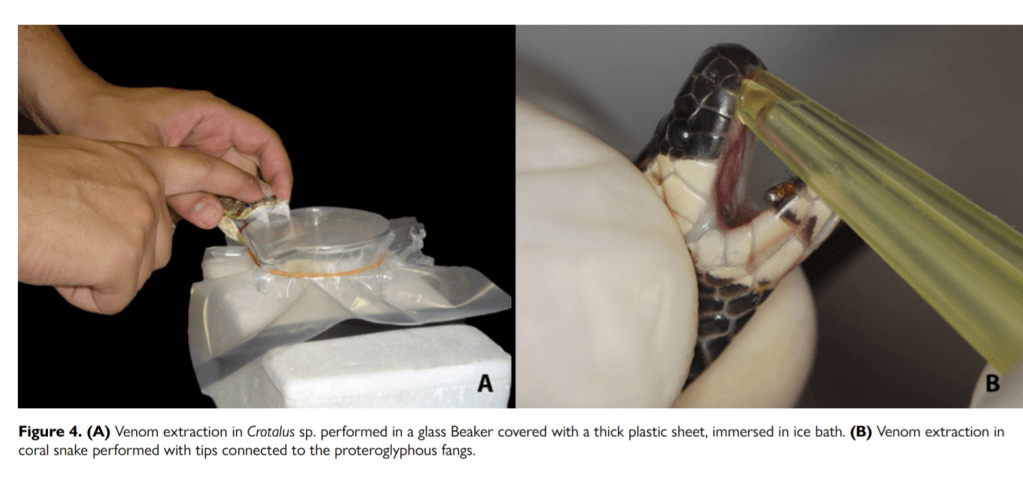
Each room has capacity to hold 90 snakes and are 20m^2, cant tell if this is small af. They have light/dark cycles with programmable timers and are inspected daily. Venomous snakes are kept with their same species in the same room, they are milked monthly? They said 2 months before. in the same room as their housed, guess screening room milking is just for arrival. After extraction fangs area are sprayed with chlorohexidine at 0.12% to prevent infection from microlesions. For elapid venom they administer a solution called pilocarpine which is administered intradermally 10mg/kg which increased venom milking efficiency by 127% with no apparent change in composition -> look into this b/c it could be useful for our project. ***For coral snakes they use tips connected to the proteroglyphous fangs and with the aid of pipettes the venom is transferred to a microcentrifuge. Clean equipment and tools in 4% sodium hypochlorite solution.
- Consultation/surgical room: Built near maintenance rooms for easy access and used for medical procedures.
- Reproduction Room: A room with no furniture with 4 cameras placed in the corners of the room for observation. Normally 2 males are placed in the room to increase competitiveness and then after 30min a female is placed as well. A vaginal smear is performed the next day to check for sperm and if positive the female is monitored. They observed only minor differences in newly arrived snakes and snakes kept in captivity for many years or born in captivity.
- Other Rooms: They have a nursery room for newborn snakes, fed every 15 days, age of three is when they are transferred for milking purposes -> no milking before then?. There is an onsite pathological anatomy lab where necropsies are performed to understand about cause of death and get a better understanding of general anatomy.
Venom Production Over the years:
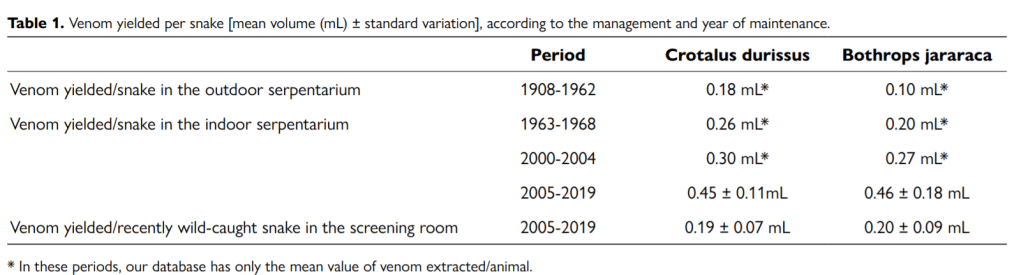
More venom is being produced currently with all the improvements. Extracted venom from snakes in the wild as soon as they arrive is 50% less than after 60 days in captivity, occurred for a single species, but most likely stress of capture and change in environment.
 Al3xandria