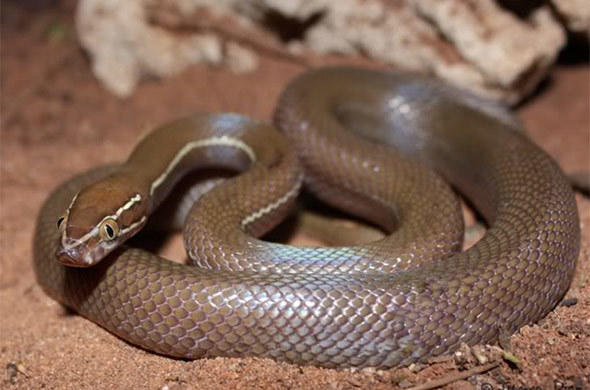
Validation of a shed skin corticosterone enzyme immunoassay in the African House Snake (Lamprophis fuliginosus) and its evaluation in the Eastern Massasauga Rattlesnake (Sistrurus catenatus catenatus) – Berkvens et al. 2013
Introduction
- Corticosterone is the primary glucocorticoid produced in snakes. This glucocorticoid reflects stress in a short time interval when it is observed in blood/plasma
- Bleeding reptiles can affect the amount of corticosterone you see in samples as bleeding reptiles properly is a stressful procedure
- This study also wanted to see corticosterone levels in skin sheds which snakes do in a process called ecdysis. The complete cycle lasts for 6 stages, which includes a resting stage and 5 discrete renewal stages.
- Multiple factors affect shedding snakes such as health, age, frequency of feeding, environmental factors like temperature. But this process is mainly controlled by thyroidal control
- The uptake of glucocorticoids by the outer epithelial layer in a snake’s skin may reflect how the HPA axis worked during that time period.
- The aim of this paper was to identify the relationship between shed skin corticosterone levels and fecal corticosterone levels in the African House Snake. They also looked at Massasauga rattlesnakes that were at a zoo.
Methods
- n= 30 total, with 10 animals in control and 20 in stressed condition. African House Snakes that were adult females were used for this experiment and kept individually. 25 Massasagua rattle snakes were also used for this experiment
- Control Snakes – were handled as little as possible and only for husbandry purposes while Stressed Snakes were handled weekly by following a procedure similar to milking snakes for venom. The stressor duration was approximately 60mins per week
- The shed skin samples for House Snakes and Rattlesnakes were analyzed within 1 and 1.5 years respectively after collection
- There are more specific methods on how they ran their analyses, collected samples and used ELISAs to gather their data. Check on the paper for specifics
Discussion
- This was the first paper to find a positive association between shed skin corticosterone and fecal cort levels in snakes. Previous papers have found some associations but mainly in other animal models, and some papers also show inconsistent findings.
- Given the shedding period of a snake, the corticosterone concentration found in shed skin was hypothesized to reflect a 2 week period prior to shedding. Therefore fecal samples collected upto 3 weeks before the shed and a week after were seen as the best samples to compare to as they may also reflect the same as the sheds. In the paper they did not find a correlation. It should be noted that as snakes eat infrequently and have a long gastrointestinal transit time, that fecal cort may be variable.
- For the rattlesnakes they pooled the fecal matter and also did not find a correlation between feces and skin
- Interestingly, the tail section of House Snake sheds had significantly higher cort levels compared to the head and other sections. One possible explanation for this could be that fecal and urate hormones are absorbed more around the skin of the cloaca
- No difference was found in skin cort levels between control and stressed snakes
 Al3xandria