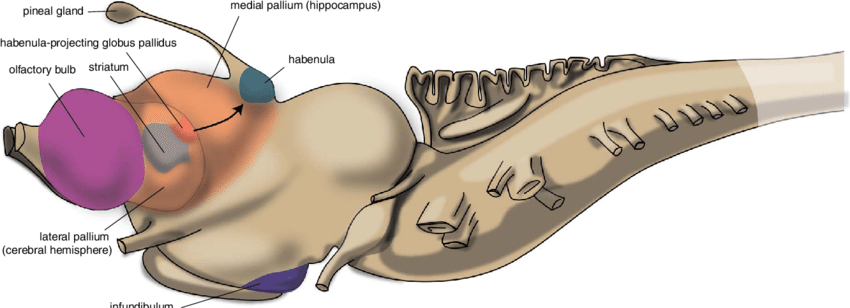
A basal ganglia circuit for evaluating action outcomes – Stephenson Jones et al. 2016 basal ganglia, made up of subcortical nuceli, crucial in decision making and evaluating outcomes. How nuclei contribute to outcome evaluation is unclear. This paper showes evidence that the habenula-projecting globus pallius (GPh) is essential for understanding repercussions of actions and areContinue reading “Decision-making at the neuronal level (GPh system)”
Author Archives: K of Kyrene
Behavioural Flexibility and Problem Solving in Lizard
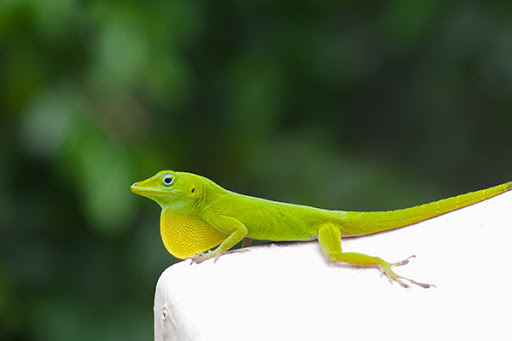
Behavioural flexibility and problem solving in a tropical lizard- Leal & Powell Abstract: When behavioural flexibility is observed in studies, most of them observe mammals and birds, because theory states that this characteristic is prominent in clades that exploit a diverse food source of a large range of habitats, and/or have intricate social connections. AContinue reading “Behavioural Flexibility and Problem Solving in Lizard”
Investigation in snakes (Garter, and others)

Investigatory behavior in-the plains garter snake (Thamnophis radix) and several additional species- Chiszar et al. 1976 Abstract: When observing the tongue flick rate of multiple snakes, they found that different taxa differ in their tongue flick rates as well as their locomotion within an open arena. The second experiment showed that garter snakes showed explorationContinue reading “Investigation in snakes (Garter, and others)”
Marine Iguanas and hetero-specific comprehension
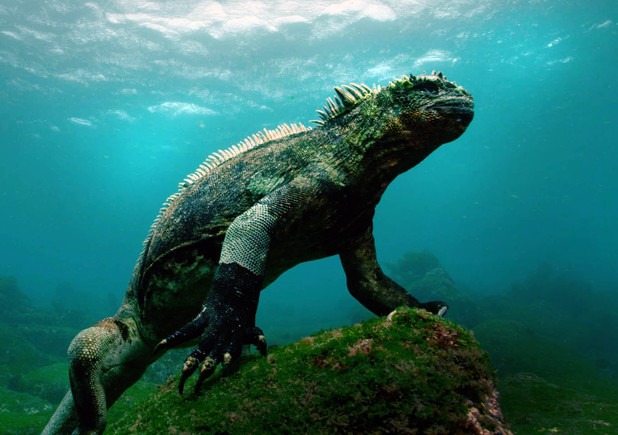
Hetero-specific alarm call recognition in a non-vocal reptile- Vitousek et al. 2007 Abstract: Galapagos marine iguanas are capable of understanding the alarm call of native mockingbirds and then respond with anti-predator behaviour. By being able to discriminate and recognize hetero-specific alarm calls, the animals are able to tap into an extra source of information thusContinue reading “Marine Iguanas and hetero-specific comprehension”
Neophilia in domestic dogs
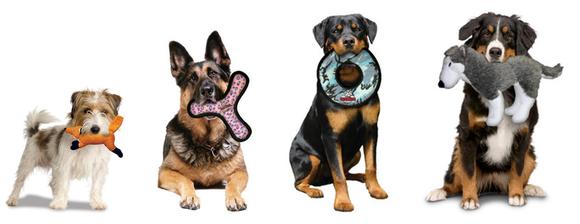
Neophilia in domestic dogs (Canis familiaris) and its implication for studies of dog cognition- Kaulfub & Mills, 2008 Neophilia is a concept that means the organism has a preference for novelty, which is linked to temperament traits via neurophysiology. This concept has been seen in dogs with a good deal of evidence and is theorizedContinue reading “Neophilia in domestic dogs”
Horses discriminate conspecific odours
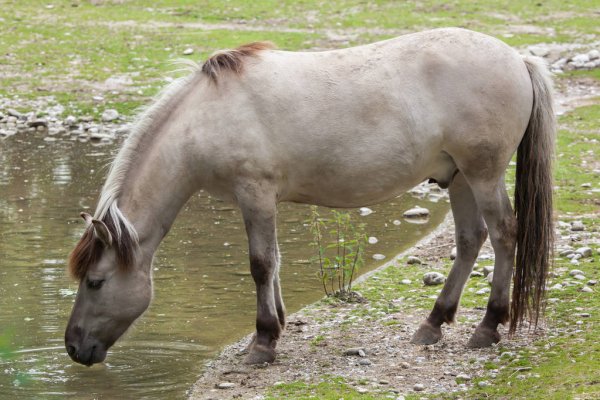
Horses (Equus caballus) discriminate body odour cues from conspecifics – Peron et al. 2014 Individuals within a social setting benefit from the recognition of kin in order to modify behaviour towards non-group mates Horses have been shown to recognize kin as well as competitors based on a variety of sensory information including visual and auditory.Continue reading “Horses discriminate conspecific odours”
Al3xandria
Cognition, Neuroscience & Physiology Papers focused on animal cognition and neuroscience. Venom Papers focused on venom and venom composition. Rstudio Code Simple Rstudio code Scorch the earth, to get a piece of the moon.
 Al3xandria