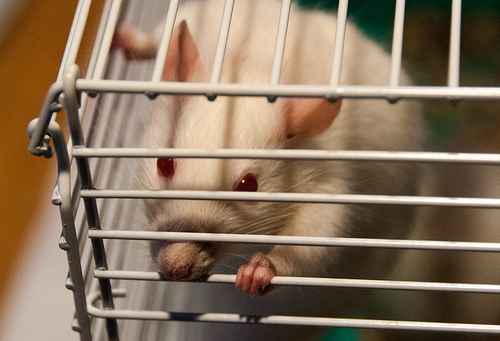
Sources of stress in captivity- Morgan & Tromborg, 2007 Abnormal Social Groups Most animals that are housed in lab settings are normally kept in individual enclosures even if the animals require social contact to engage in normal behaviour. Social isolation has been known to cause stress to subjects and is a well-known stress inducer forContinue reading “Literature Review on Stress in Captivity Pt.4”
Author Archives: K of Kyrene
Literature Review on Stress in Captivity Pt. 3

Sources of stress in captivity- Morgan & Tromborg, 2007 Confinement Specific Stressors Continued Absence of retreat space: Having a lack of retreat space within an enclosure can cause stress for the subjects. This is seen with mice that display more wire gnawing when housed in a barren cage compared to an enriched enclosure that hasContinue reading “Literature Review on Stress in Captivity Pt. 3”
Literature Review on Stress in Captivity Pt.2
Sources of stress in captivity – Morgan & Tromborg, 2007 Abiotic environmental stressors: the presence or absence of critical sensory stimuli Odors: Most mammals are considered macroosmatic (means they depend largely on olfactory cues), and animals that live in captivity may be deprived of necessary enriching odors or be exposed to detrimental ones. For exampleContinue reading “Literature Review on Stress in Captivity Pt.2”
Literature Review on Stress in Captivity Pt.1
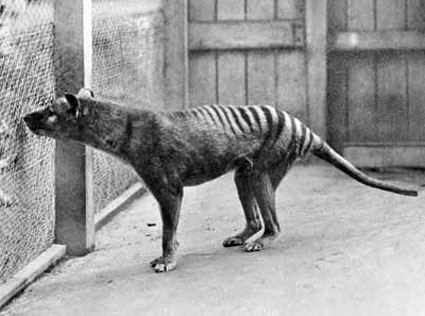
Sources of stress in captivity – Morgan & Tromborg, 2006 Abstract: Animals housed in artificial habitats are confronted by a wide range of potentially provocative environmental challenges. In this article, we review many of the potential stressors that may adversely affect animals living in captivity. These include abiotic, environmental sources of stress such as artificialContinue reading “Literature Review on Stress in Captivity Pt.1”
Stress Affects Lactation in Rats
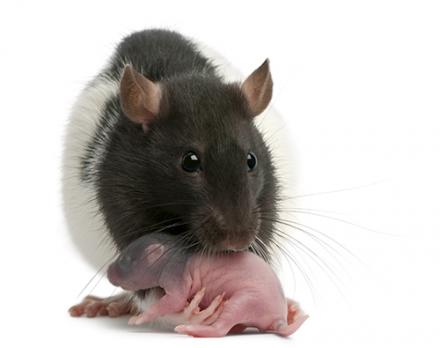
Animal models for the study of the effect of prolonged stress on lactation in rats – Lau & Simpson, 2004 Abstract: Stress has been well documented to suppress lactation, but this study aims to identify the effects of prolonged stress. One model controlled the contact with pups and the other introduced a male intruder, bothContinue reading “Stress Affects Lactation in Rats”
Stress Streamlines Physiological Processes (lizard)
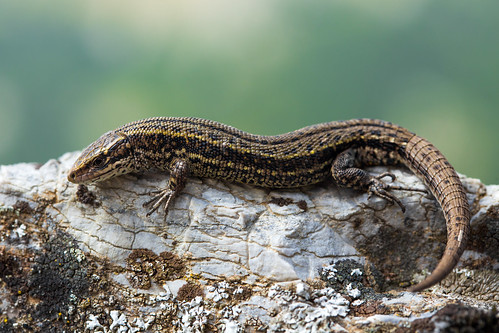
Chronic stress, energy transduction, and free-radical production in a reptile – Voituron et al. 2017 Abstract: corticosterone plays a crucial role in adapting to stressful environments. 3 main processes of respiration, ATP production and free radical production in the mitochondria may also affect stress responses, so this study tried to dissect these sub-cellular mechanisms. TheContinue reading “Stress Streamlines Physiological Processes (lizard)”
Literature Review on the Complexities of Environmental Enrichment
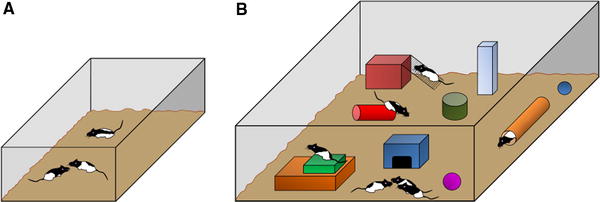
Environmental Enrichment of Laboratory Rodents: The Answer Depends on the Question – Toth et al. 2011 Abstract: Environmental enrichment may increase welfare of subjects but it does move away from standardization since enrichment can be perceived as numerous things. Does not help that the same type of environmental enrichment (EE) can have different effects onContinue reading “Literature Review on the Complexities of Environmental Enrichment”
Subject-Specific Enrichment > Anthropomorphic Enrichment
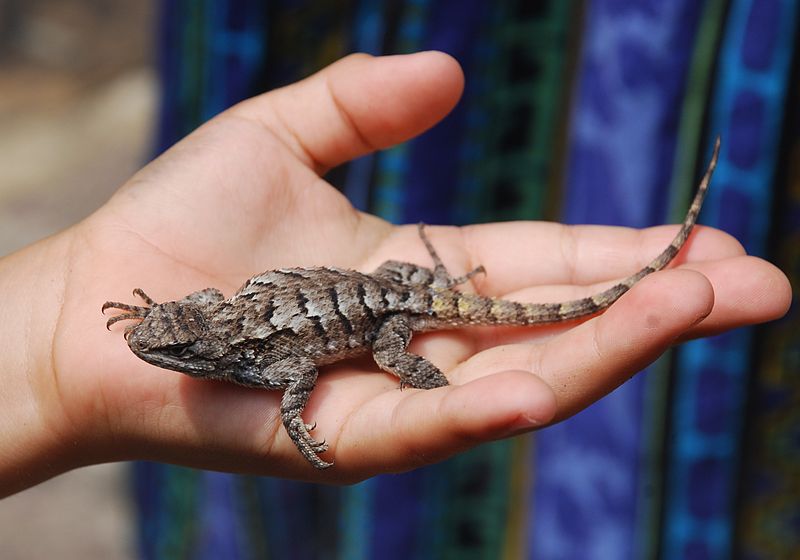
Does environmental enrichment really matter? A case study using the eastern fence lizard, Sceloporus undulatus- Rosier & Langkilde, 2011 Abstract: Little is known about reptilian environmental enrichment, thus was investigated by using Eastern Fence Lizards that spend most of their time in trees or high ledges. They implemented solely climbing enrichment and found there toContinue reading “Subject-Specific Enrichment > Anthropomorphic Enrichment”
Valuable Components in Rear-Fanged Venom
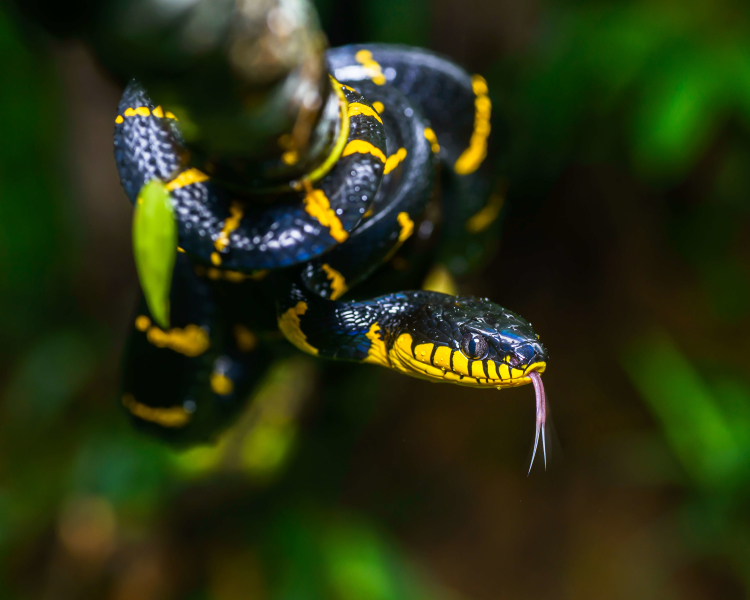
Rear-fanged snake venoms: an untapped source of novel compounds and potential drug leads – Saviola et al. 2014 Abstract: Venoms are very useful, in snake venoms specifically the most useful components are disintegrins and proteases from viper venoms and are used for anti-cancer and hemostatic dysfunction activities. This study looks at rear fanged colubrid snakeContinue reading “Valuable Components in Rear-Fanged Venom”
Morris Water Maze-taking it back to basics
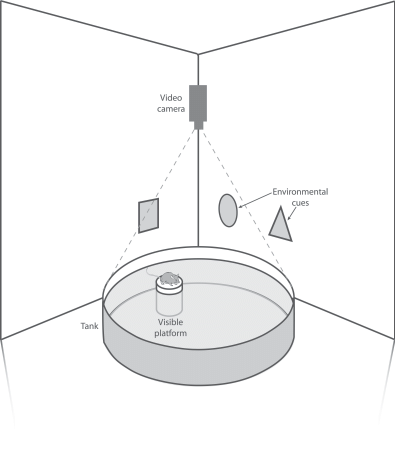
Developments of a water-maze procedure for studying spatial learning in the rat- Morris, 1984 Abstract: Outlines procedures for 1. automatically tracking the spatial location of a rat without using attached light-emitting diodes, 2. studying different aspects of spatial memory (ex. working memory), 3. studying non-spatial discrimination learning. Introduction: The essential feature of the Morris waterContinue reading “Morris Water Maze-taking it back to basics”
 Al3xandria