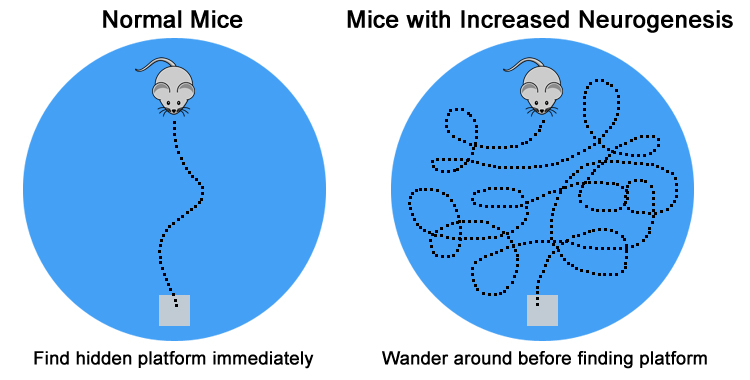
Behavioural Methods to Study Learning and Memory in Rats – Quillfeldt, 2006 Phenomenological observations are observations that are based on phenomenon the subject displays and are then used to make conclusions about intrinsic mechanisms. Also called an indirect form of observation. Taxonomy of Memory Types: can be classified into many types: Function: working vs referenceContinue reading “Cognitive Testing Paradigms and Apparatuses for Mammals”
Author Archives: K of Kyrene
Snakebite Envenoming and Steps Forward
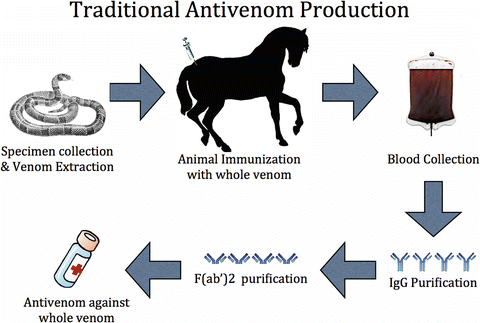
Confronting the neglected problem of snake bite envenoming: The need for a global partnership – Gutierrez et al. 2006 Most regions affected by snake bites are Africa, Asia, Oceania and Latin America. Global Burden of Snake Bite Envenoming: identifying the total number of snake bite cases is difficult especially in developing countries where reporting casesContinue reading “Snakebite Envenoming and Steps Forward”
Size does matter, in Brains
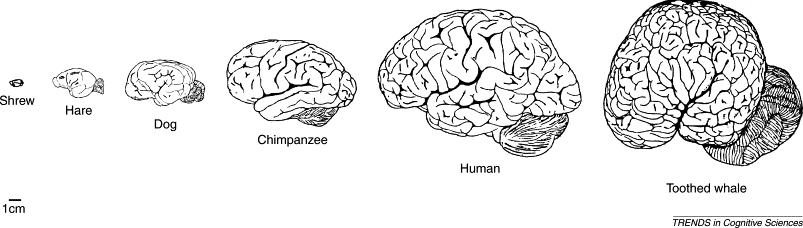
Brain size predicts problem-solving ability in mammalian carnivores (Comparative Cognition in zoo) – Benson-Amram et al. 2016 Abstract: There is speculation over whether a larger brain size does indicate better cognitive abilities, tested this by giving puzzle boxes baited with food and scaled the stimuli according to the different carnivores. Found that animals with largerContinue reading “Size does matter, in Brains”
Curiousity in Zoo Animals

Curiousity in Zoo Animals- Glickman & Srogues, 1964 Introduction: observed the responses by zoo animals when exposed to novel objects placed within the enclosure, and they used a diverse set of stimuli that varied in colour, shape, texture and odour. A cool little experiment by Brehm and Darwin (1874) where they placed a toy snakeContinue reading “Curiousity in Zoo Animals”
Free exploration on elevated plus maze reduces false entries?
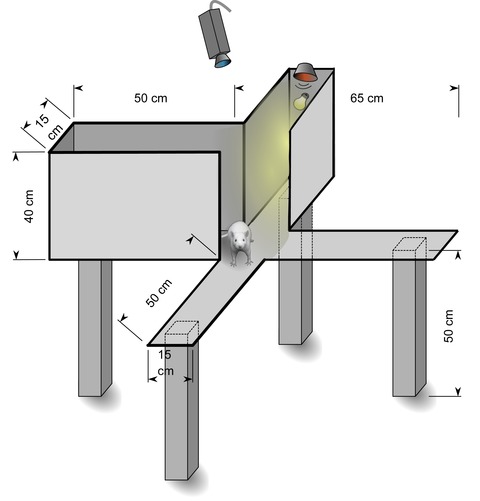
Free versus forced exposure to an elevated plus-maze: evidence for new behavioral interpretations during test and retest– Roy et al. 2009 Abstract: elevated plus mazes are built upon approach/avoidance behaviour when exposed to “safe” closed arms and “aversive” open arms, using this you can assess anxiety. Objectives: they wanted to compare standard forced exposure ofContinue reading “Free exploration on elevated plus maze reduces false entries?”
The Language of Dendrites
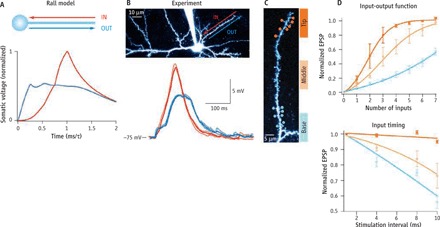
The Language of Dendrites- Branco, 2011 In 1943 McCulloch and Pitts found that neurons can be considered like an on/on switch with only a binary function to either fire action potentials or not. They fire these action potentials when a certain input sum is surpassed, therefore -this was cleverly written- if neurons had a languageContinue reading “The Language of Dendrites”
Western hognose Envenomation (medical)
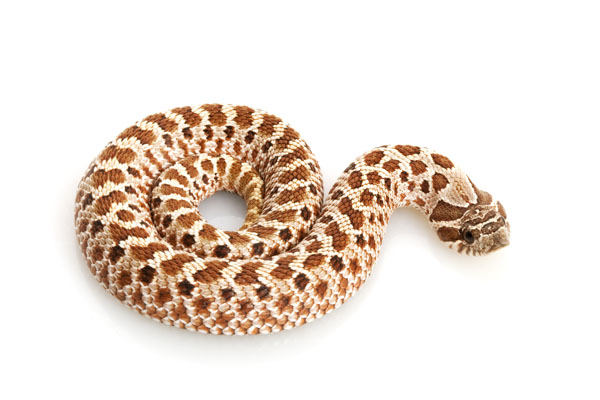
Local envenoming by the Western hognose snake (Heterodon nasicus): A case report and review of medically significant Heterodon bites- Weinstein & Keyler, 2009 Abstract: western hognose snakes rarely cause serious injuries through their bite, however there are cases of some that cause significant local envenoming. The bite resulted in a marked edema, ecchymoses, lymphadenopathy, cutaneousContinue reading “Western hognose Envenomation (medical)”
Spider’s prey choice dictated by venom availability?
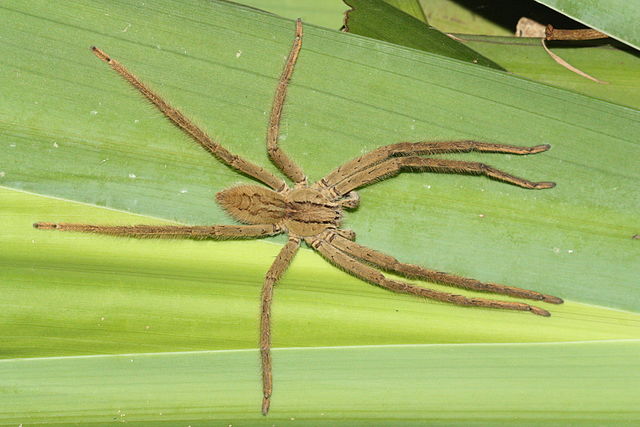
Influence of venom availability on a spider’s prey-choice behaviour – Wullschleger & Nentwig – 2002 Not known whether optimal theory is applicable in spider venom, especially since they capture a wide range of prey. Therefore running out venom is a possibility. C salei spiders are able to control the amount of venom they use inContinue reading “Spider’s prey choice dictated by venom availability?”
Venom analysis of long-term captive
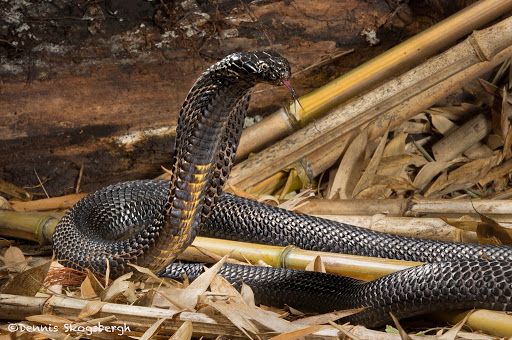
Venom analysis of long-term captive Pakistan cobra (Naja naja) populations – Modahl et al. 2009 Captive bred snakes could have the potential to produce better quality venom and higher yields because of better hygienic conditions, hydration, as well as consistent food supply (however the fact that there is not much stochastic randomness that causes theirContinue reading “Venom analysis of long-term captive”
Captivity doesn’t affect venom composition?
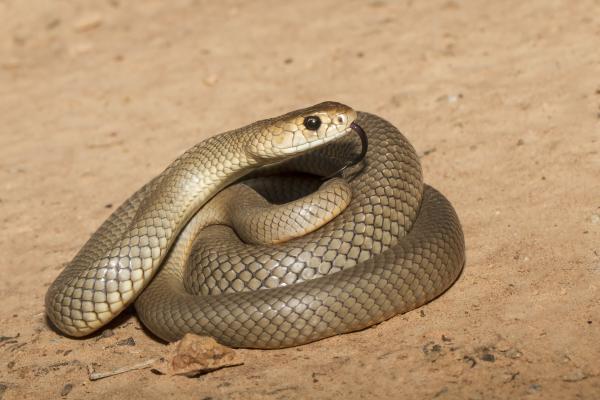
Proteomic comparisons of venoms of long-term captive and recently wild-caught Eastern brown snakes (Pseudonaja textilis) indicate venom does not change due to captivity- McCleary et al. 2016 Venom composition is variable across multiple taxonomic levels, including populations Antivenoms produced by snakes from a certain region may prove to be ineffective against bites in another region,Continue reading “Captivity doesn’t affect venom composition?”
 Al3xandria