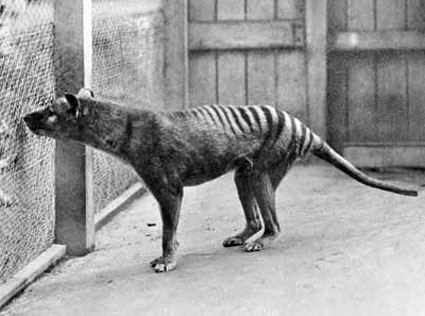
Sources of stress in captivity – Morgan & Tromborg, 2006 Abstract: Animals housed in artificial habitats are confronted by a wide range of potentially provocative environmental challenges. In this article, we review many of the potential stressors that may adversely affect animals living in captivity. These include abiotic, environmental sources of stress such as artificialContinue reading “Literature Review on Stress in Captivity Pt.1”
Category Archives: Uncategorized
Stress Affects Lactation in Rats
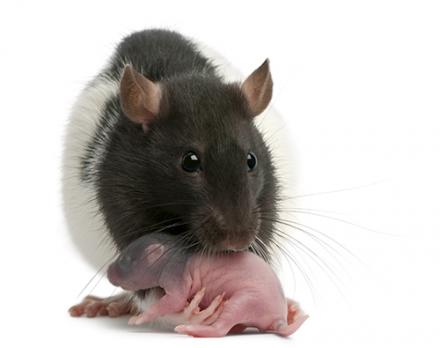
Animal models for the study of the effect of prolonged stress on lactation in rats – Lau & Simpson, 2004 Abstract: Stress has been well documented to suppress lactation, but this study aims to identify the effects of prolonged stress. One model controlled the contact with pups and the other introduced a male intruder, bothContinue reading “Stress Affects Lactation in Rats”
Stress Streamlines Physiological Processes (lizard)
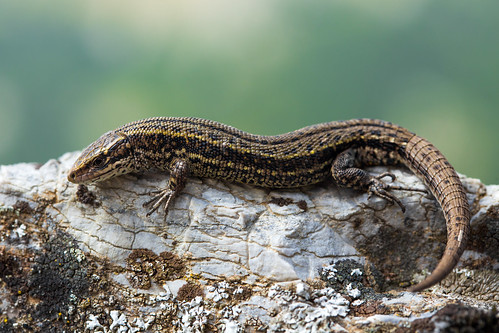
Chronic stress, energy transduction, and free-radical production in a reptile – Voituron et al. 2017 Abstract: corticosterone plays a crucial role in adapting to stressful environments. 3 main processes of respiration, ATP production and free radical production in the mitochondria may also affect stress responses, so this study tried to dissect these sub-cellular mechanisms. TheContinue reading “Stress Streamlines Physiological Processes (lizard)”
Literature Review on the Complexities of Environmental Enrichment
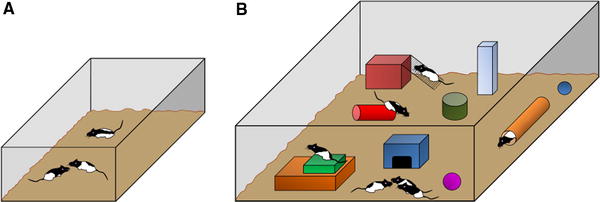
Environmental Enrichment of Laboratory Rodents: The Answer Depends on the Question – Toth et al. 2011 Abstract: Environmental enrichment may increase welfare of subjects but it does move away from standardization since enrichment can be perceived as numerous things. Does not help that the same type of environmental enrichment (EE) can have different effects onContinue reading “Literature Review on the Complexities of Environmental Enrichment”
Valuable Components in Rear-Fanged Venom
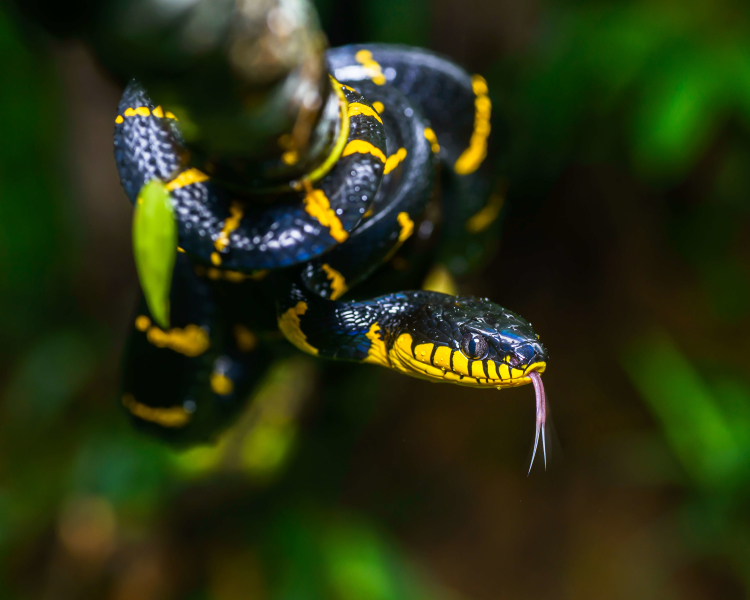
Rear-fanged snake venoms: an untapped source of novel compounds and potential drug leads – Saviola et al. 2014 Abstract: Venoms are very useful, in snake venoms specifically the most useful components are disintegrins and proteases from viper venoms and are used for anti-cancer and hemostatic dysfunction activities. This study looks at rear fanged colubrid snakeContinue reading “Valuable Components in Rear-Fanged Venom”
Malayan Pit Viper- A Variety of Variation

Electrophoretic profiles and biological activities: intraspecific variation in the venom of the Malayan pit viper (Calloselasma rhodostoma) – Daltry et al. 1996 Abstract: This snake’s venom has been thoroughly studied but the degree to which the venom actually varies from individual to individual is less clear. Using banding profiles they found that there is aContinue reading “Malayan Pit Viper- A Variety of Variation”
Venom Expulsion in Rattlesnakes

Mechanics of Venom Expulsion in Crotalus, with special reference to the role of the fang sheath – Young et al. 2001 Abstract: Seems the venom delivery system of rattlesnakes are capable of more regulation in venom expulsion than previously assumed. Introduction: pterygoid walk is when a snake eats something bigger than its head and itContinue reading “Venom Expulsion in Rattlesnakes”
Low Nicotine-induced Conditioned Place Preference only in Teens
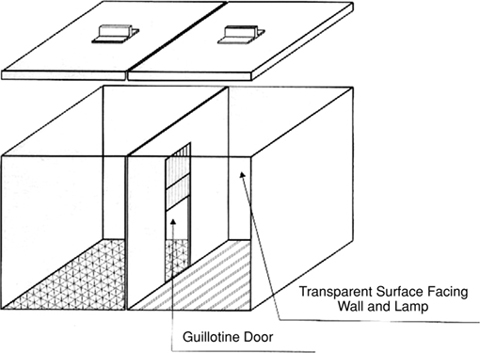
Nicotine-induced conditioned place preference in adolescent and adult rats- Vastola et al. 2002 Abstract: Checked the rewarding properties of nicotine on adult and adolescent rats, found that even a low dose created a conditioned place preference in adolescents while not in adults. This increased sensitivity to the effects of nicotine during adolescence may contribute toContinue reading “Low Nicotine-induced Conditioned Place Preference only in Teens”
Method for Venom Extraction Matters (Scorpions)
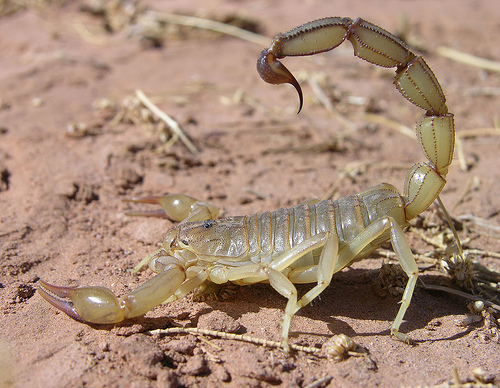
Comparison between two methods of scorpion venom milking in Morocco – Oukkache et al. 2013 Abstract: Compared the difference between manual extraction of venom and collection through electrical stimulation. Found that electrical stimulation had a lack of hemolymph contaminants like hemocyanin while manual showed evidence of it. Hemocyanin is secreted when under stress or facedContinue reading “Method for Venom Extraction Matters (Scorpions)”
Snake Venom Variability and Methods Pt.2
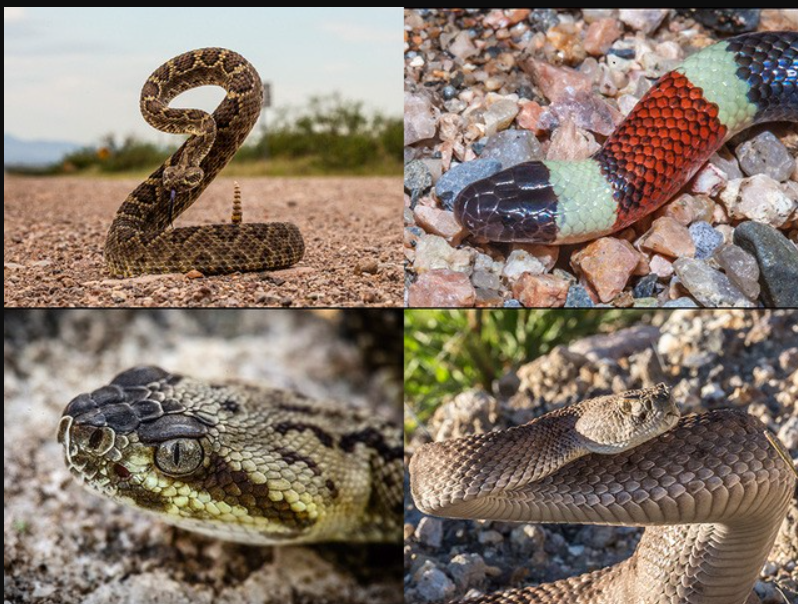
Snake Venom Variability: Methods of study, results and interpretation- Chippaux et al. 1991 Immunological Analysis: Cross-reactivity is commonly used when talking about antivenom and it basically means “how reactive is something against something else” for example some studies used polyvalent antivenoms to determine the cross-reactivity in thrombin-like enzymes of various venoms determined by blocking theirContinue reading “Snake Venom Variability and Methods Pt.2”
 Al3xandria