ANAEROBIC AND AEROBIC BACTERIOLOGY OF THE SALIVA AND GINGIVA FROM 16 CAPTIVE KOMODO DRAGONS ( VARANUS KOMODOENSIS): NEW IMPLICATIONS FOR THE “BACTERIA AS VENOM” MODEL – Goldstein et al. 2013 Introduction: Komodo dragons have mandibular venom glands that are attached to their teeth which aid in killing prey. The analysis of the venom had shownContinue reading “Komodo Dragons- Bite/Venom > Bacteria”
Category Archives: Venom
Venom Collection from Duvernoys Gland
Properties of Duvernoys Secretions from opisthoglyphous and aglyphous colubrid snakes – Weinstein & Kardong, 1994 Extraction of duvernoys secretions: methods, yields and storage: The normal milking technique is not suitable for snakes with rear fangs and duvernoys glands that have weak venom release systems. Also electrical stimulation doesn’t work well given their altered muscle structureContinue reading “Venom Collection from Duvernoys Gland”
Using MRIs for snake venom gland observation
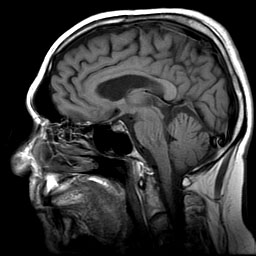
This is gonna be a bit different than usual posts cause it will be an amalgamation of a couple papers to piece it together for my own experiment with western hognose snakes. Evolution and diversification of the toxicofera reptile venom system- Fry et al., 2009– My experiment will be using western hognose snakes in variousContinue reading “Using MRIs for snake venom gland observation”
Anesthesia is the best venom extraction method

Biochemistry and pharmacology of colubrid snake venoms – Mackessy, 2002 Extraction of venom from colubrid snakes– these types of snakes (including western hognose snakes) have a weak delivery system because of low pressure which means using the normal forced milking process of pressing the venom glands physically results in low venom yields. Also given thatContinue reading “Anesthesia is the best venom extraction method”
Venom Analysis via Saliva (Hognose snake)
Evidence of mild toxicity in the saliva of the hognose snake (Heterodon) – McAlister, 1963 Introduction: This paper focuses on whether the saliva of H. platyrhinos is venomous to small animals. Previous studies looking at different snakes that are deemed as non-venomous showing swelling/toxic effects after bites are mentioned in this study. Methods:n=3 adult femalesContinue reading “Venom Analysis via Saliva (Hognose snake)”
Rattlesnake venom gland removal
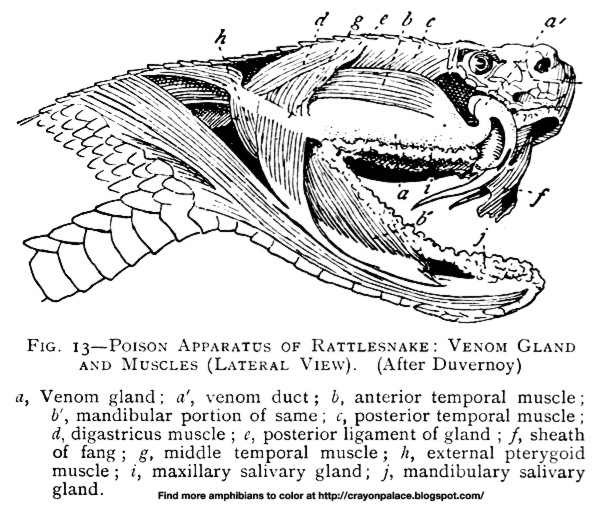
Surgical removal of the poison glands of rattlesnakes – Tait, 1938 Introduction: – This publication focuses on the removal of venom glands from a snake via anesthesia with the intention of it returning back to captivity in relatively perfect health. This was to aid in physiological experiments without the fear of being bitten. The procedureContinue reading “Rattlesnake venom gland removal”
Rattlesnake venom loses quality in captivity but increases in quantity
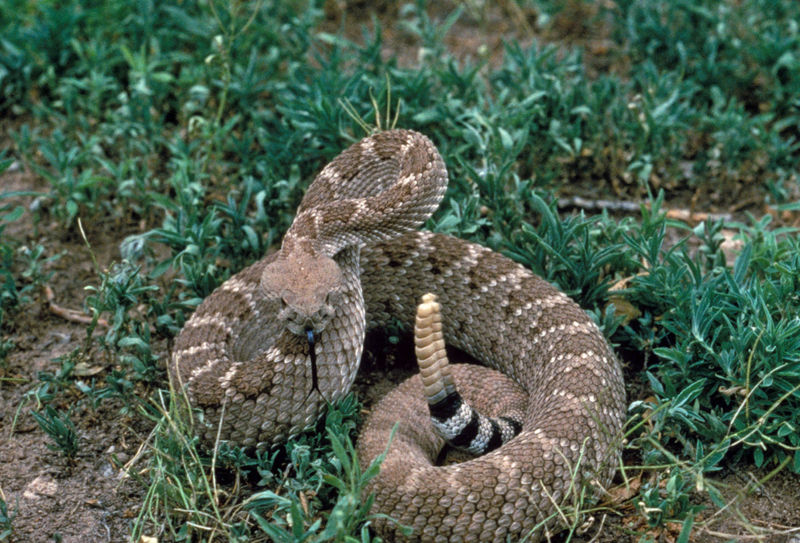
Variation in Yield and Toxicity of venom from a rattlesnake – Minton Jr, 1957 Introduction:– Different studies have looked into the variations in milking frequency on yield and toxicity of venom in various species. Check paper for specifics, one study showed that milking every month caused the second milking event to produce on average lessContinue reading “Rattlesnake venom loses quality in captivity but increases in quantity”
**Snake Venom Milking History**
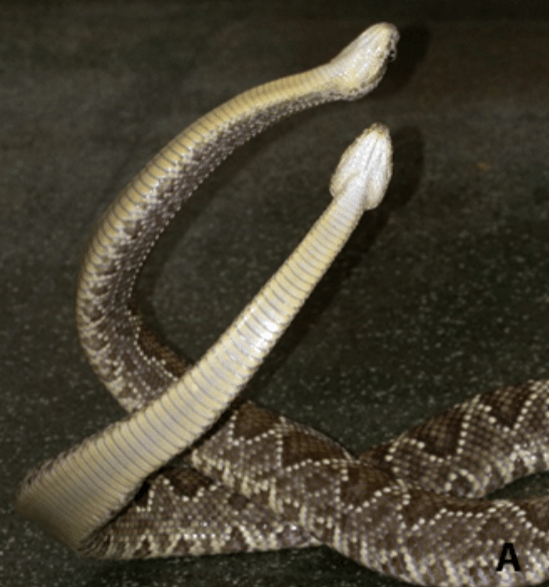
Maintenance of venomous snakes in captivity for venom production at Butantan Institute from 1908 to the present: a scoping history – Grego et al. 2021 Abstract: Old practice was to milk snakes every 15 days, 1962 they were kept in outdoor serpentariums and they lived for 15 days max, 1963 milking duration stayed the sameContinue reading “**Snake Venom Milking History**”
Characteristics of Venom
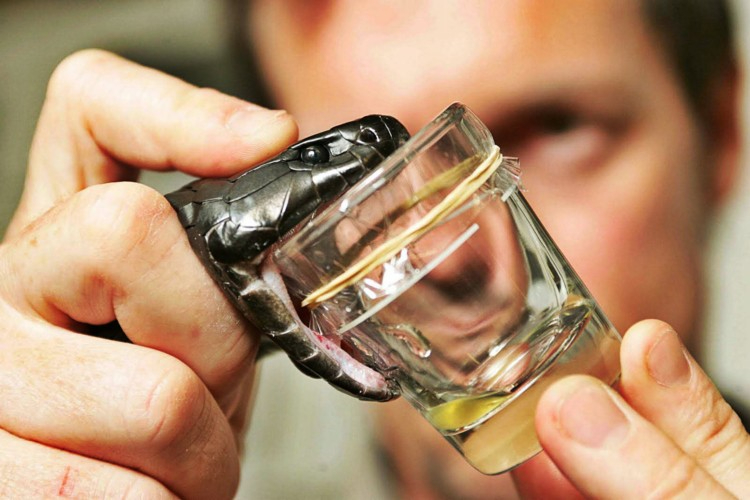
Development of simple standard assay procedures for the characterization of snake venoms – Theakston & Reid, 1983 Introduction:A WHO Coordination Meeting on Venoms and Antivenoms was held to examine the progress made so far in researching these substances. The standardization of assay methods used to identify the biological activity of venom and neutralizing capacity ofContinue reading “Characteristics of Venom”
Differences in Venom Extraction (Kraits, vipers, cobras)
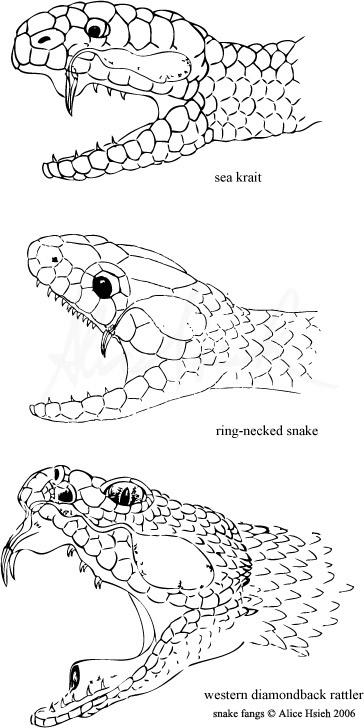
A study of snake venom yield by different methods of venom extraction – Tare, Sutar & Renapurkar, 1986 Abstract: Various methods of venom extraction including application of manual pressure to the glands, electric stimulation, and vacuum method were used for the extraction of venom from snakes maintained in captivity and in an open farm. TheContinue reading “Differences in Venom Extraction (Kraits, vipers, cobras)”
 Al3xandria