
Causes and Consequences of Snake Venom Variation – Casewell et al. 2020 Abstract: 1.8 million annual snake bite victims. This review describes how venom varies and its effects on snake bite victims. Snake venom and Snakebite: – Venom causes 138,000 deaths worldwide and an additional 500,000 additional cases of venom induced morbidity. It is listedContinue reading “Processes underlying venom variation”
Category Archives: Venom
Venom Glands heal like Wolverine

Physiological demands and signaling associated with snake venom production and storage illustrated by transcriptional analyses of venom glands – Perry et al 2020 Abstract:The physiology and regulation of the venom gland still needs clarification thus a time series gene expression analysis was conducted on rattlesnake venom glands in comparison to other non-venom tissues. Found thatContinue reading “Venom Glands heal like Wolverine”
Flexible Predatory Tactics by Snakes

Effects of Chemical and Visual stimuli upon chemosensory searching by garter snakes and rattlesnakes – Chiszar et al. 1981 Introduction: There are 2 types of predatory strategies practiced by natricine snakes and crotalid snakes. The first case is that chemical cues increase tongue flick rate and the other is that visual and thermal cues releaseContinue reading “Flexible Predatory Tactics by Snakes”
Valuable Components in Rear-Fanged Venom
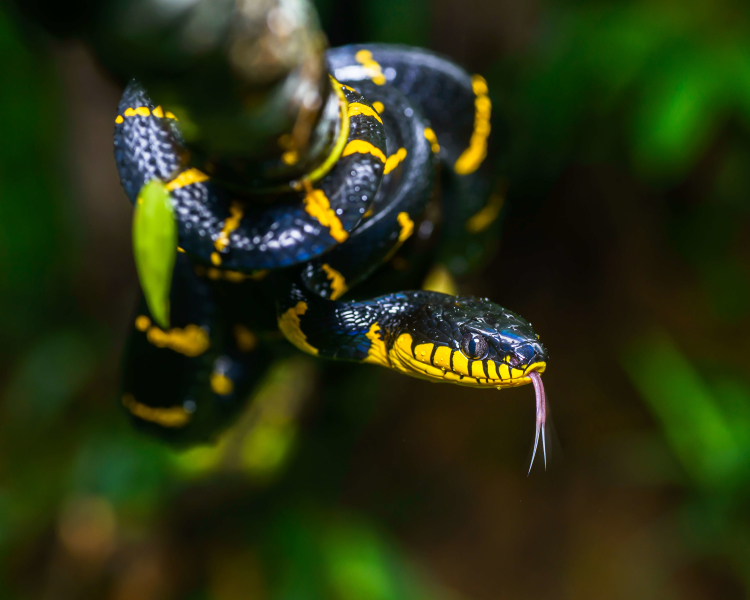
Rear-fanged snake venoms: an untapped source of novel compounds and potential drug leads – Saviola et al. 2014 Abstract: Venoms are very useful, in snake venoms specifically the most useful components are disintegrins and proteases from viper venoms and are used for anti-cancer and hemostatic dysfunction activities. This study looks at rear fanged colubrid snakeContinue reading “Valuable Components in Rear-Fanged Venom”
Malayan Pit Viper- A Variety of Variation

Electrophoretic profiles and biological activities: intraspecific variation in the venom of the Malayan pit viper (Calloselasma rhodostoma) – Daltry et al. 1996 Abstract: This snake’s venom has been thoroughly studied but the degree to which the venom actually varies from individual to individual is less clear. Using banding profiles they found that there is aContinue reading “Malayan Pit Viper- A Variety of Variation”
Venom Expulsion in Rattlesnakes

Mechanics of Venom Expulsion in Crotalus, with special reference to the role of the fang sheath – Young et al. 2001 Abstract: Seems the venom delivery system of rattlesnakes are capable of more regulation in venom expulsion than previously assumed. Introduction: pterygoid walk is when a snake eats something bigger than its head and itContinue reading “Venom Expulsion in Rattlesnakes”
Snake Venom Storage- Fresh>Commercial

Snake Venom Instability – Willemse & Hattingh, 1978 Abstract: Compared venom samples of rinkals (H. haemachatus), Egyptian cobra (N. haje haje), and puff adder (B arietans) via electrophoresis. Found a considerable difference between fresh and commercial samples even within species, probably because of storage conditions. Introduction: A lot of studies have shown that venom canContinue reading “Snake Venom Storage- Fresh>Commercial”
Method for Venom Extraction Matters (Scorpions)
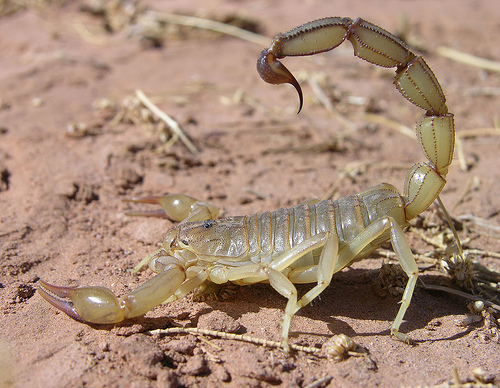
Comparison between two methods of scorpion venom milking in Morocco – Oukkache et al. 2013 Abstract: Compared the difference between manual extraction of venom and collection through electrical stimulation. Found that electrical stimulation had a lack of hemolymph contaminants like hemocyanin while manual showed evidence of it. Hemocyanin is secreted when under stress or facedContinue reading “Method for Venom Extraction Matters (Scorpions)”
Antivenom shortage In Africa

Crisis in snake antivenom supply for Africa – Theakston & Warrell, 2000 In Africa snake bites cause hundreds of deaths and thousands of disabilities, sadly there is a shortage of antivenom thus the injuries and death are only expected to increase. Africa has 3 main antivenom producers known as SAIMR (South African Institute for MedicalContinue reading “Antivenom shortage In Africa”
Snake Venom Variability and Methods Pt.2
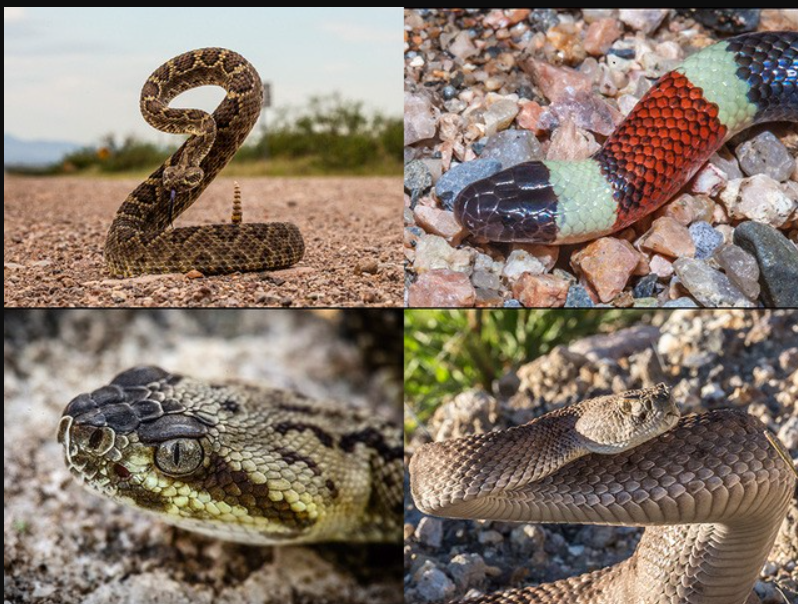
Snake Venom Variability: Methods of study, results and interpretation- Chippaux et al. 1991 Immunological Analysis: Cross-reactivity is commonly used when talking about antivenom and it basically means “how reactive is something against something else” for example some studies used polyvalent antivenoms to determine the cross-reactivity in thrombin-like enzymes of various venoms determined by blocking theirContinue reading “Snake Venom Variability and Methods Pt.2”
 Al3xandria