
Snake Venom Variability: Methods of study, results and interpretation- Chippaux et al. 1991 Abstract: venom variability includes multiple factors such as: interfamily, intergenus, interspecies, intersubspecies and intraspecies, geographical variation, between individuals, seasonal variations, diet, habitat, age-dependent change, and sexual dimorphism. Introduction: Venom may aid in helping the snakes both immobilize their prey as well asContinue reading “Snake Venom Variability and Methods Pt.1”
Category Archives: Venom
Snakebite Envenoming and Steps Forward
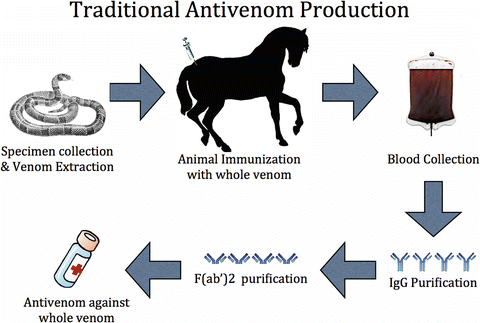
Confronting the neglected problem of snake bite envenoming: The need for a global partnership – Gutierrez et al. 2006 Most regions affected by snake bites are Africa, Asia, Oceania and Latin America. Global Burden of Snake Bite Envenoming: identifying the total number of snake bite cases is difficult especially in developing countries where reporting casesContinue reading “Snakebite Envenoming and Steps Forward”
Western hognose Envenomation (medical)
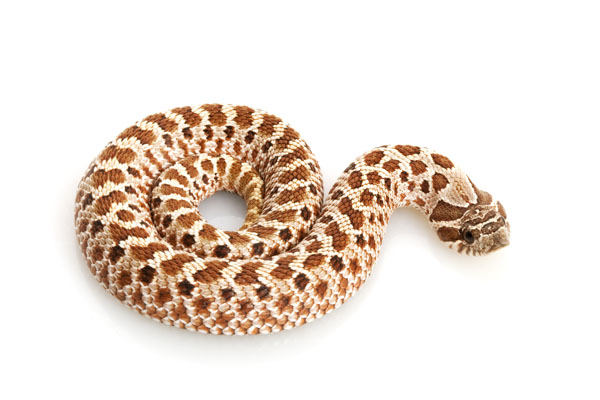
Local envenoming by the Western hognose snake (Heterodon nasicus): A case report and review of medically significant Heterodon bites- Weinstein & Keyler, 2009 Abstract: western hognose snakes rarely cause serious injuries through their bite, however there are cases of some that cause significant local envenoming. The bite resulted in a marked edema, ecchymoses, lymphadenopathy, cutaneousContinue reading “Western hognose Envenomation (medical)”
Spider’s prey choice dictated by venom availability?
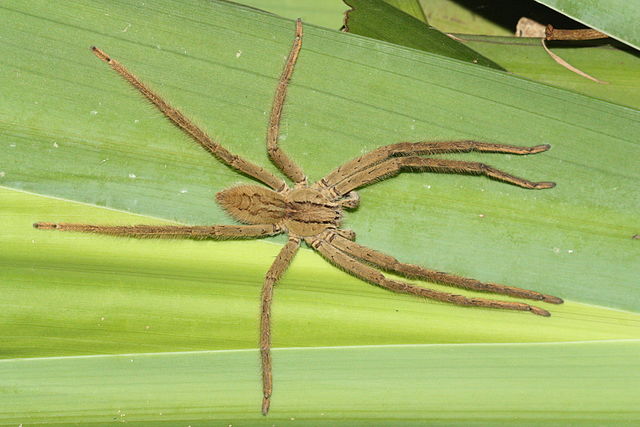
Influence of venom availability on a spider’s prey-choice behaviour – Wullschleger & Nentwig – 2002 Not known whether optimal theory is applicable in spider venom, especially since they capture a wide range of prey. Therefore running out venom is a possibility. C salei spiders are able to control the amount of venom they use inContinue reading “Spider’s prey choice dictated by venom availability?”
Venom analysis of long-term captive
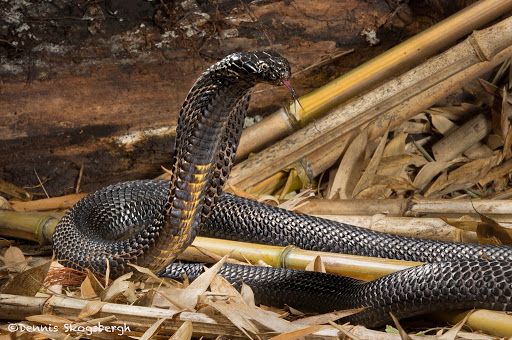
Venom analysis of long-term captive Pakistan cobra (Naja naja) populations – Modahl et al. 2009 Captive bred snakes could have the potential to produce better quality venom and higher yields because of better hygienic conditions, hydration, as well as consistent food supply (however the fact that there is not much stochastic randomness that causes theirContinue reading “Venom analysis of long-term captive”
Captivity doesn’t affect venom composition?
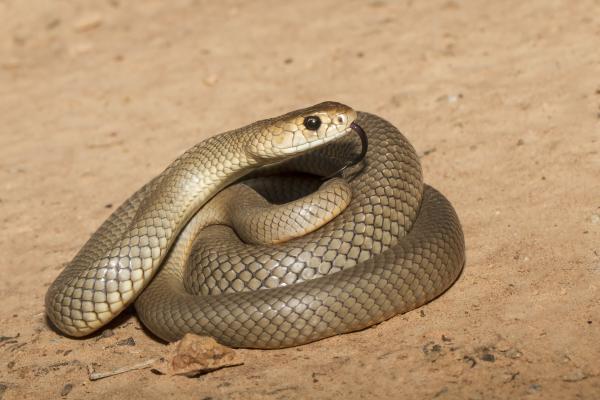
Proteomic comparisons of venoms of long-term captive and recently wild-caught Eastern brown snakes (Pseudonaja textilis) indicate venom does not change due to captivity- McCleary et al. 2016 Venom composition is variable across multiple taxonomic levels, including populations Antivenoms produced by snakes from a certain region may prove to be ineffective against bites in another region,Continue reading “Captivity doesn’t affect venom composition?”
 Al3xandria