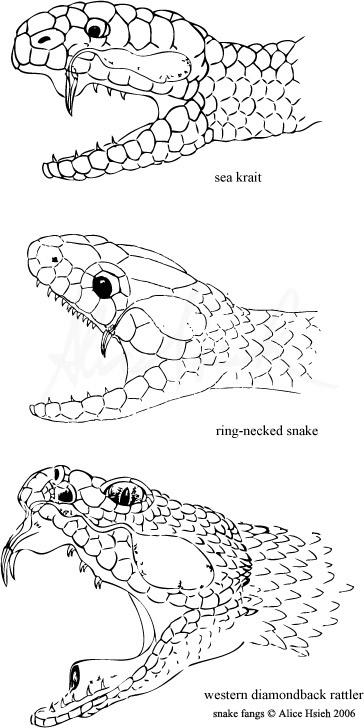
A study of snake venom yield by different methods of venom extraction – Tare, Sutar & Renapurkar, 1986 Abstract: Various methods of venom extraction including application of manual pressure to the glands, electric stimulation, and vacuum method were used for the extraction of venom from snakes maintained in captivity and in an open farm. TheContinue reading “Differences in Venom Extraction (Kraits, vipers, cobras)”
Author Archives: K of Kyrene
Finding Fireflies

The occurrence and behaviours of North American fireflies on milkweed – Faust & Faust, 2014 Introduction: Fireflies are chemically protected by steroidal pyrenes called lucibufagins which have cardio-toxic properties are similar to components found in milkweed and other plants. It is still unknown exactly where the fireflies accumulate this chemical. Some fireflies known as theContinue reading “Finding Fireflies”
Animals in Space
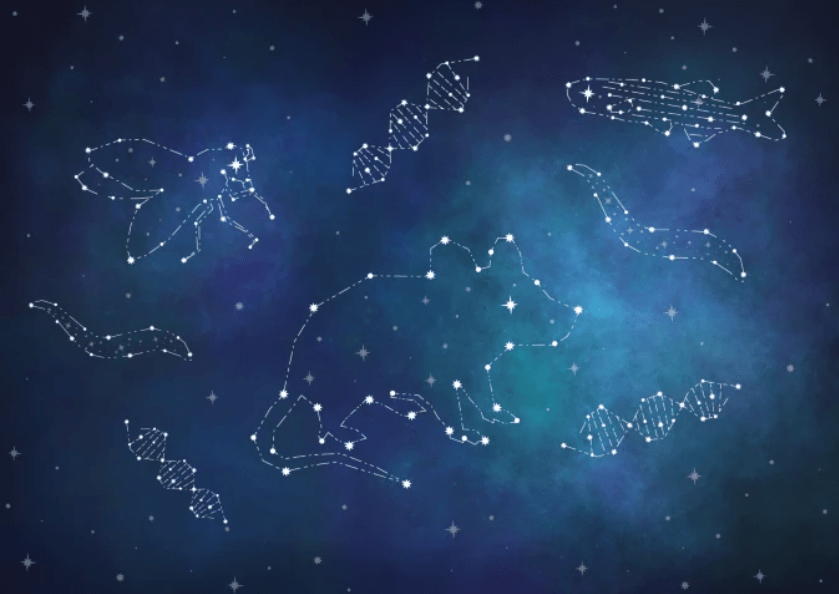
Animal models, open science and space omics – Neff, 2021 Introduction:Observing life in space is critical to understanding how to best navigate space especially with longer and longer trips being desired. Space is an extreme environment that reduces the mechanical stress felt by the body because of reduced gravity which can affect organs and leadContinue reading “Animals in Space”
Processes underlying venom variation

Causes and Consequences of Snake Venom Variation – Casewell et al. 2020 Abstract: 1.8 million annual snake bite victims. This review describes how venom varies and its effects on snake bite victims. Snake venom and Snakebite: – Venom causes 138,000 deaths worldwide and an additional 500,000 additional cases of venom induced morbidity. It is listedContinue reading “Processes underlying venom variation”
Venom Glands heal like Wolverine

Physiological demands and signaling associated with snake venom production and storage illustrated by transcriptional analyses of venom glands – Perry et al 2020 Abstract:The physiology and regulation of the venom gland still needs clarification thus a time series gene expression analysis was conducted on rattlesnake venom glands in comparison to other non-venom tissues. Found thatContinue reading “Venom Glands heal like Wolverine”
Latent Inhibition

Latent Inhibition – Lubow, 1973 Introduction: Latent inhibition is defined as the decrement in learning performance which stems from the nonreinforced pre-exposure of a stimulus prior to conditioning with said stimulus, which slows the learning curve. Scope of Latent Inhibition Phenomenon: Distribution across species: this has been demonstrated in goldfish, goats, sheep, rabbits, dogs andContinue reading “Latent Inhibition”
Revised Habituation Characteristics
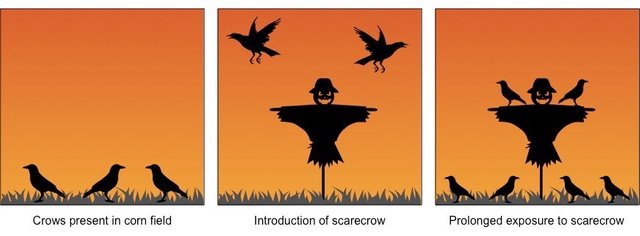
Habituation Revisited: An Updated and Revised Description of the Behavioural Characteristics of Habituation- Rankin et al., 2009 Introduction: Thompson & Spencer (1966) and Groves & Thompson (1970) first wrote an in-depth analysis on the definition of habituation. These two papers became classics and were revisited with some changes made to the content but mostly justContinue reading “Revised Habituation Characteristics”
Flexible Predatory Tactics by Snakes
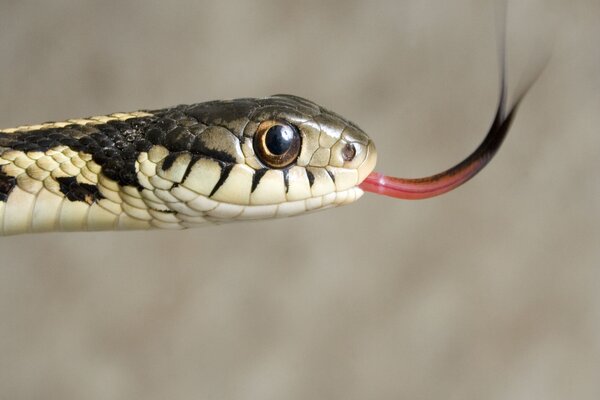
Effects of Chemical and Visual stimuli upon chemosensory searching by garter snakes and rattlesnakes – Chiszar et al. 1981 Introduction: There are 2 types of predatory strategies practiced by natricine snakes and crotalid snakes. The first case is that chemical cues increase tongue flick rate and the other is that visual and thermal cues releaseContinue reading “Flexible Predatory Tactics by Snakes”
Snakes know their Siblings
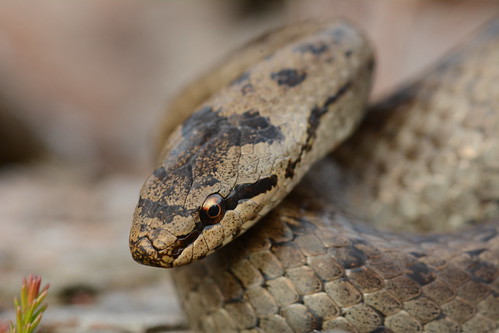
Chemoreception and kin discrimination by neonate smooth snakes, Coronella austriaca – Pernetta et al. 2008 Abstract: This study wanted to fill the gaps left in snake prey selection via chemoreception and wanted to investigate whether kin discrimination was present in a cannibalism practicing species. Pre-shedding the snakes showed less prey selection and post shedding showedContinue reading “Snakes know their Siblings”
Snakes and Novel Scent Recognition
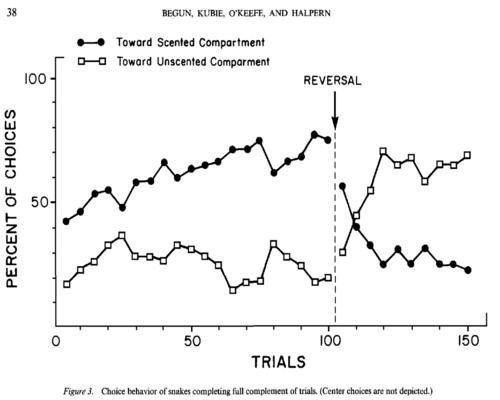
Conditioned Discrimination of Airborne Odorants by Garter Snakes – Begun et al. (1988) Abstract- Garter snakes were trained via food rewards to discriminate between two biologically irrelevant scents. The first experiment was a 2 sided compartment and the second was a 2 sided maze, in both the snakes showed the ability to discriminate correctly. 4Continue reading “Snakes and Novel Scent Recognition”
 Al3xandria